





Nanna Ditzel's Way of Shapes
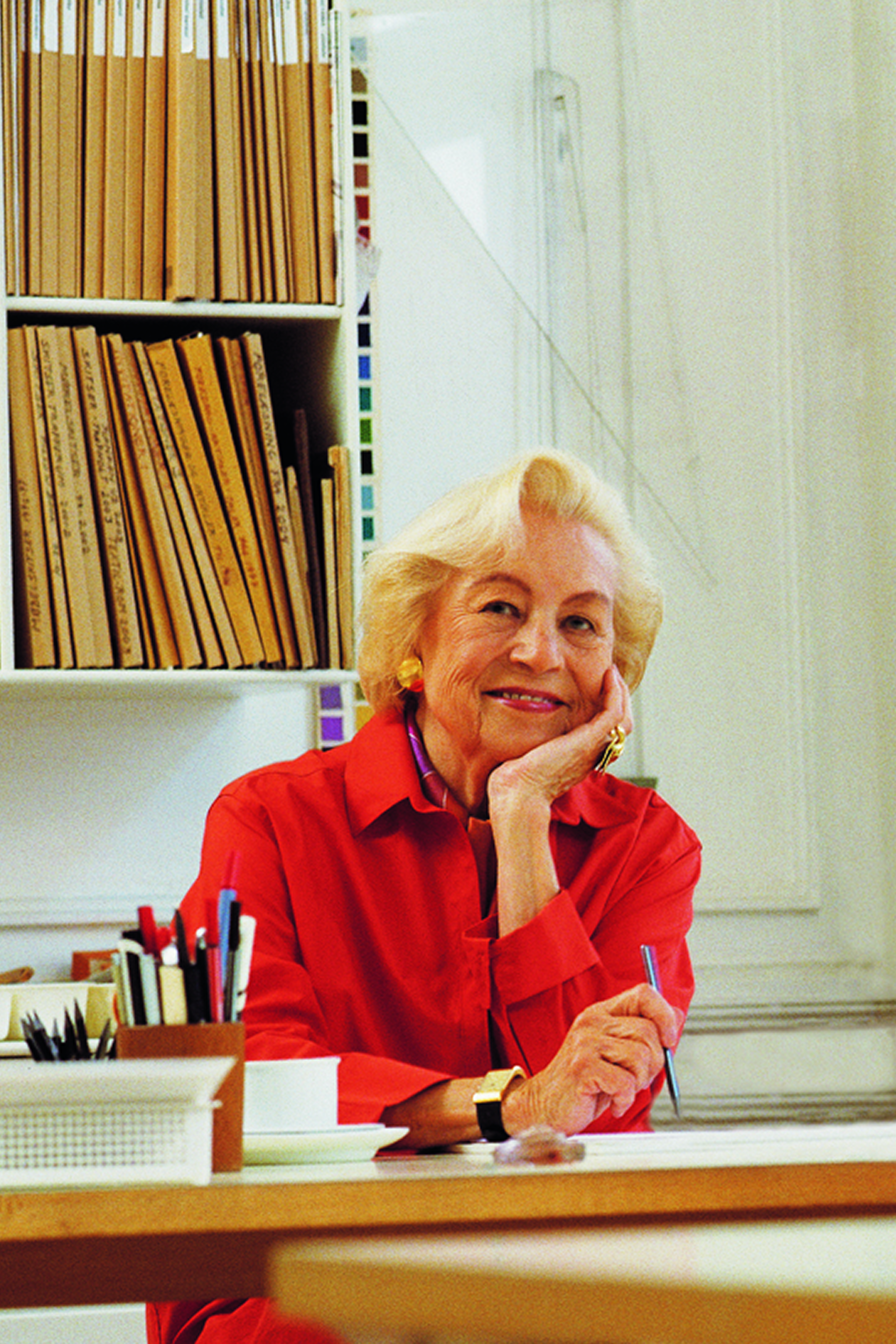
Known as “Grand dame of Danish design”, Nanna Ditzel (1923-2005), with her postmodernist attitude and rebellion against tradition, became a leading figure in the renewal of Danish design in the 1990s, well after her 70th birthday. Nanna Ditzel was strikingly ambitious and forward-looking for her time.
Highly occupied with our ways of sitting, she believed comfortable furniture paved the way for new ways of thinking and living.

A designer breaking the rules
Nanna Ditzel has deservedly positioned herself in the history of design due to her many striking and innovative designs across centuries and disciplines.
We pay tribute to this pioneering woman and our former main designer, honouring her collected oeuvre and showing a remarkable world citizen. A woman who challenged the comme il faut of design and succeeded in leaving an enduring dash of poetic lightness and artistic innovation in the Danish design tradition.


A Developing Design Language
Ditzel trained as a cabinetmaker and studied at the Royal Danish Academy of Fine Arts under Kaare Klint, where she met her future husband and creative partner, Jørgen Ditzel (1921–1961). The two established their own studio in 1946, developing furniture, textiles and objects with a shared curiosity for new materials, bold forms and unconventional ideas. Throughout the 1950s, their work was exhibited and recognised for its innovative approach.
After Jørgen's passing in 1961, Nanna developed her own distinctive design language, informed by poetry and art and expressed through vibrant colour, sculptural forms and unwavering curiosity. Over six prolific decades, her work moved freely across furniture, textiles, jewellery and other fields.

対談
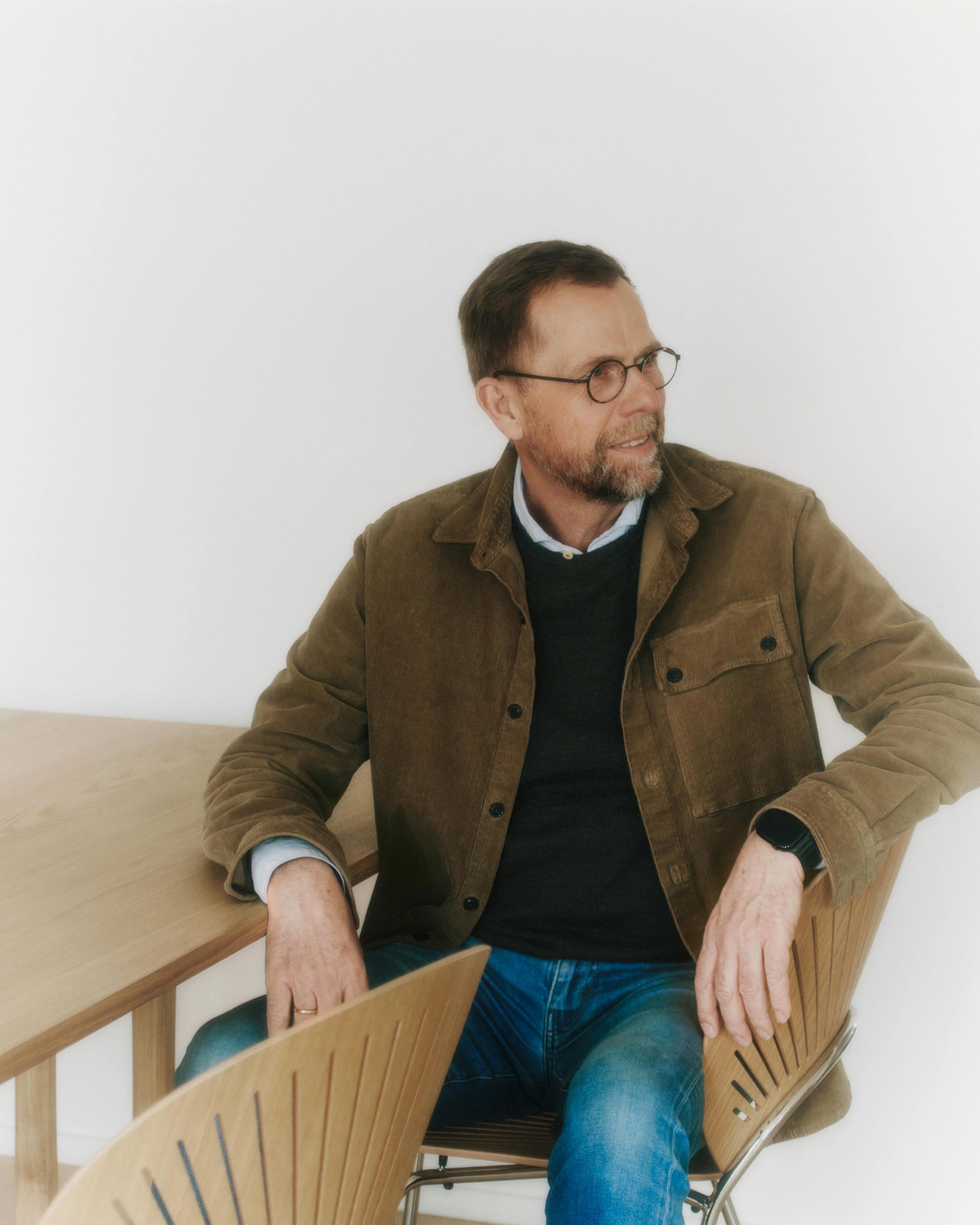
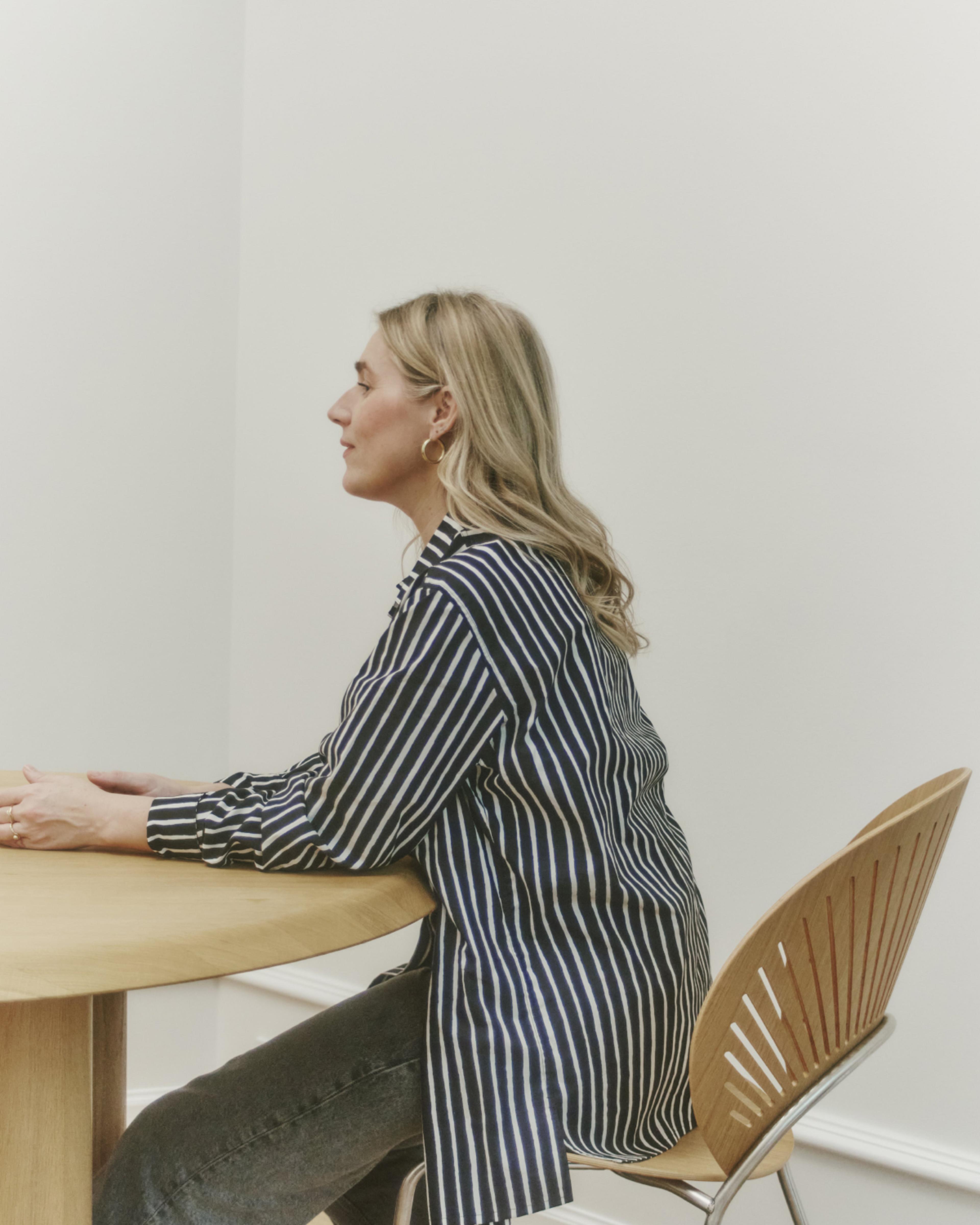
彼女を知る人、共に働いた人、遠くから研究してきた人との対談を通じて、ナナ・ディッツェルについてより深く学びましょう。




Ideas become ojects
"Things have to say what they are. They can certainly provoke surprise, but they must be trustworthy as well. That is an important element in the selection process. The purpose of a chair, after all, is to be sat in. In your criticism, you often have accused us of devoting too much time to designing chairs.
But the chair is the most exciting item of furniture. We use cupboards to maintain order. We put things in them. They look after the things we need. But chairs look after people, and that is a quite different purpose.
So, it is very important to take into account the way a chair’s appearance combines with the person who sits in it."


An Object with a Mind of its Own
Originally known as Toad Stool in English, and Trissen in Danish (meaning “spool”), the collection was developed from 1962 to 2004. It has become a modern icon, included in museum collections and institutions alike, and remains a strong example of Ditzel’s approach: organic, functional, and resistant to fixed categorisation.
Her work often carried this kind of duality. Trained within the discipline of Danish modernism and as a trained cabinetmaker, she rarely stayed within its strict lines, preferring instead to introduce a certain looseness — a sense that objects might behave differently than expected, even have their own voice.
Trisse is a clear example of that thinking, and a defining one.
Its form is simple: a turned base and top in solid oak, joined with precise craftsmanship. There are no visible mechanisms. Flexibility is instead built into proportion, balance, and scale — a clarity of construction rooted in Ditzel’s training as a cabinetmaker. It is evident in the way the object can be turned, stacked, rolled, and lifted with ease, while sidestepping expectations of traditional furniture types.
Crafted in Denmark from FSC®-certified solid oak, the friendly design is defined by softened profiles, balanced shape, and a grounded connection to the floor.




Good Taste? A Lecture by Nanna Ditzel
"Good taste can take on many different forms depending on the time and place, but fundamentally it is the accepted norms for a particular environment at a particular time and the better you follow and express these norms, the better your taste. This applies not only to clothing, homes and food but also to behaviour and the literature and art you choose."
ナナ・ディッツェル デザイン
デンマークデザイン史における女性の先駆者であるナナ・ディッツェルは、卓越した野心家であるだけでなく、当時としては非常に進歩的で先見性に富んでいました。人々の「座る」あり方に強い関心を寄せ、快適な家具こそが新しい思考や暮らし方への道を開くと信じていたのです。





1 of 4
Discover the full Nanna Ditzel Collection at Fredericia









1 of 8
もっと探索する
ナナ・ディッツェルの物語が広がる私たちのユニバースを探検し、このアイコニックなデザイナーの遺産を発見してください。


1 of 5