


Nanna Ditzel
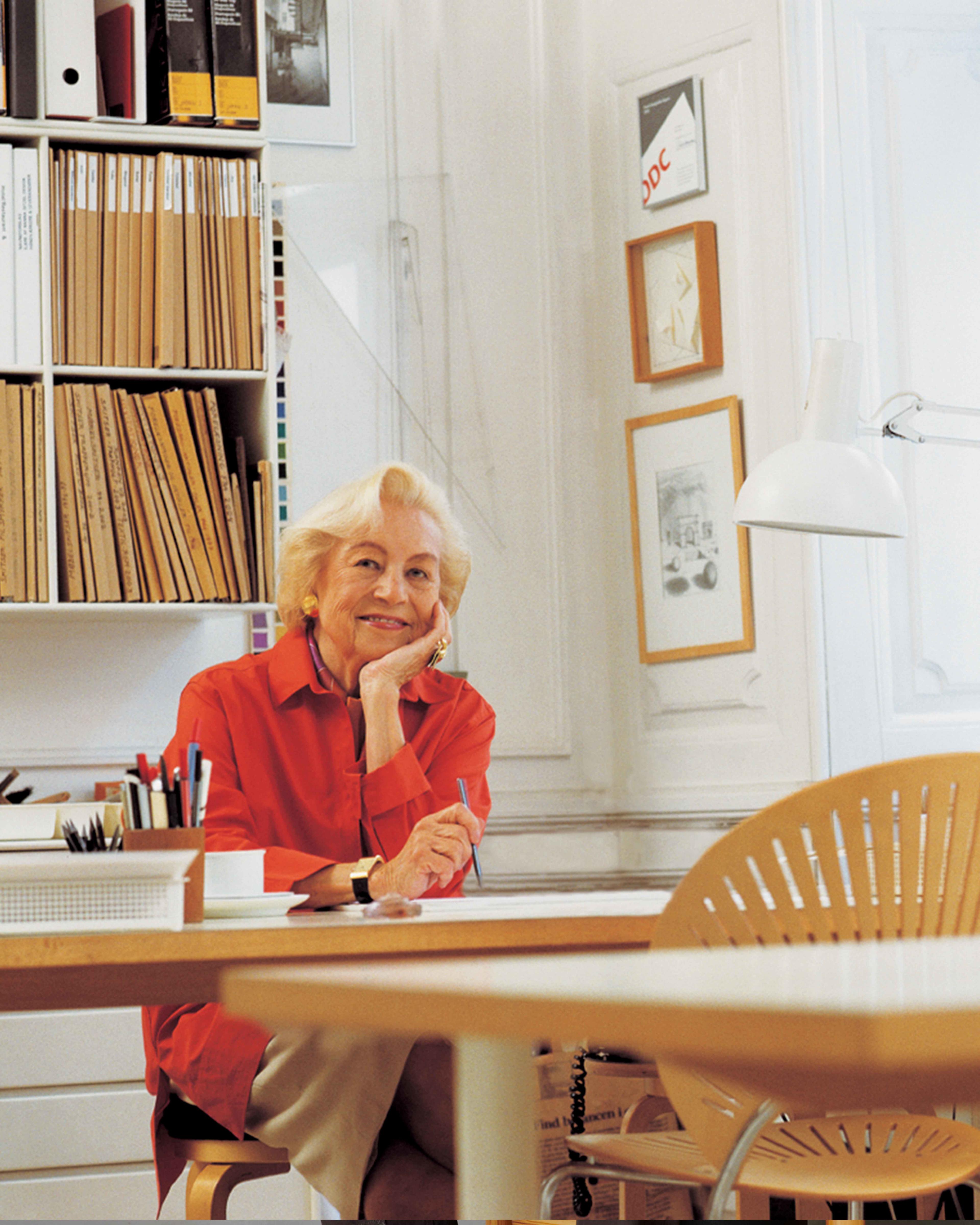
Nanna Ditzel (1923-2005), with her postmodernism attitude and rebellion against tradition, became a leading figure in the renewal of Danish design in the 1990's, well after her 70th birthday. Very often, her works had a subjective starting point, which was contrary to specific problems to be solved. However, she had a magnificent ability to transform her artistic dreams into very functional and purposeful designs.


“ Three steps forward and two steps back still means I've taken a step in the right direction. ”
Nanna Ditzel, Fredericia's second main designer
The "Grand dame of Danish Design"
Nanna Ditzel was born in Copenhagen, Denmark, in 1923. She trained as a cabinetmaker before studying at the School of Arts and Crafts and the Royal Academy of Fine Arts in Copenhagen. She was always inspired by the challenges of new materials and techniques.
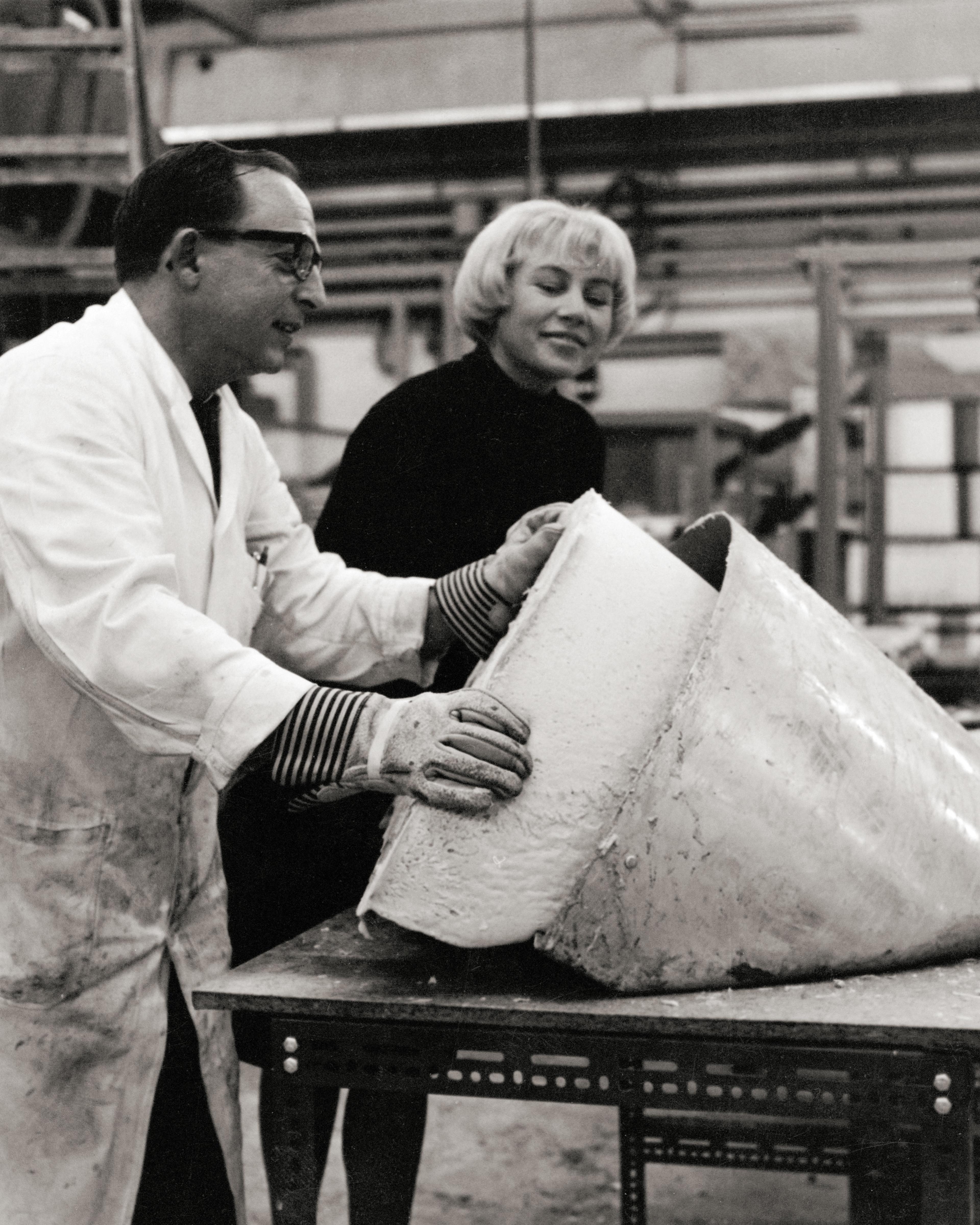
Nanna was a pioneer in the fields of fiberglass, wickerwork, foam rubber, and various disciplines such as cabinet making, jewellery, tableware, and textiles. Some of her most known designs within this field are the "Hallingdal" textile for Kvadrat and her jewellery for Georg Jensen.
From 1968 to 1986, Nanna lived in London, where she established the international furniture house, Interspace in Hampstead. In 1989 she became closely connected with Fredericia, beginning with "Bench For Two". The collaboration between Fredericia and Ditzel developed into a mutual partnership, and the successful launch of the Trinidad chair in 1993 marked a turning point in Fredericia's history, establishing Nanna Ditzel as Fredericia's second house designer after Børge Mogensen. Nanna passed away in 2005, but her uncompromising approach strongly influences Fredericia’s culture and product development.

A Developing Design Language
Ditzel trained as a cabinetmaker and studied at the Royal Danish Academy of Fine Arts under Kaare Klint, where she met her future husband and creative partner, Jørgen Ditzel (1921–1961). The two established their own studio in 1946, developing furniture, textiles and objects with a shared curiosity for new materials, bold forms and unconventional ideas. Throughout the 1950s, their work was exhibited and recognised for its innovative approach.
After Jørgen's passing in 1961, Nanna developed her own distinctive design language, informed by poetry and art and expressed through vibrant colour, sculptural forms and unwavering curiosity. Over six prolific decades, her work moved freely across furniture, textiles, jewellery and other fields.


Nanna Ditzel’s Way of Shapes
A leading female figure in the history of Danish design, Nanna Ditzel was not only strikingly ambitious, but progressive and forward-looking for her time. Highly occupied with our ways of sitting, she believed comfortable furniture paved the way for new ways of thinking and living.
“Nanna was convinced that our best thoughts come when being in a comfortable position, almost lying down”, explains Dennie Ditzel, Nanna’s eldest daughter and conveyer of her mother’s design legacy.
Nanna Ditzel’s beliefs did not only influence her work life but also her way of creating a family home in Bagsværd outside of Copenhagen. One day in 1965 Nanna Ditzel had an idea; she wanted to challenge the traditional way of sitting and interacting. The family’s typical living room arrangement—a sofa, two armchairs, and a sofa table—was discarded. In their place came a lounge setting occupying every inch of the floor; foam cushions in colored textiles of varying heights, channeling a casual and welcoming atmosphere. Ditzel’s so-called ‘Stairscapes’ were a result of her idiom, a life-long need to view design as not only functional but also sculptural.
Chairs and stools



1 of 8
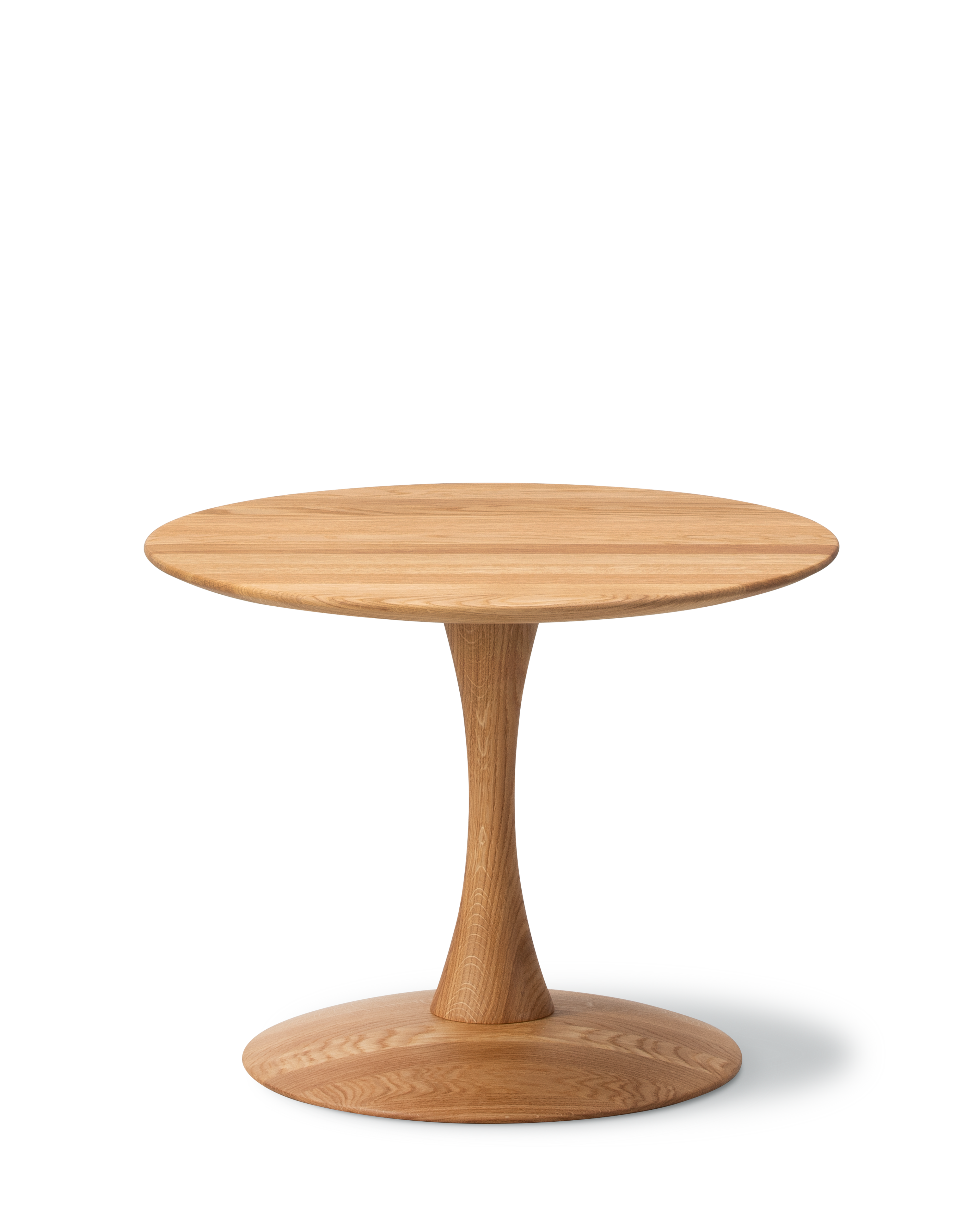
Tables













1 of 8


Benches


Learn more about Nanna


1 of 4
A poetic design pushing the limits
Being one of Ditzel's most significant commercial successes, the Trinidad Chair has stood the test of time and is still relevant today.
Paying tribute to a pioneering designer
Ditzel’s work defied categorisation yet remained deeply human. Her legacy is defined by elegance, innovation, and clarity of vision.








1 of 9