


Design Principles: A conversation with Maria Bruun
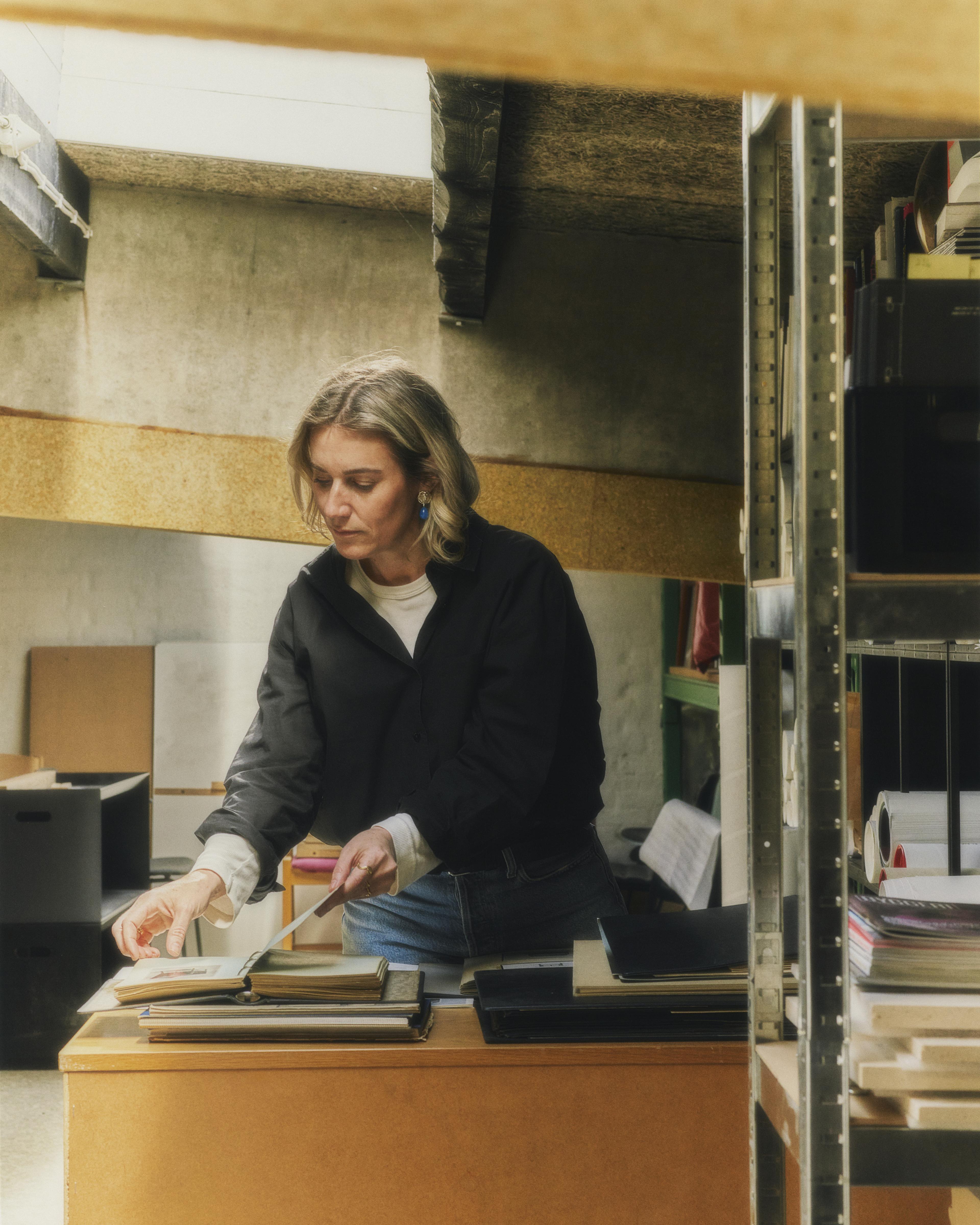
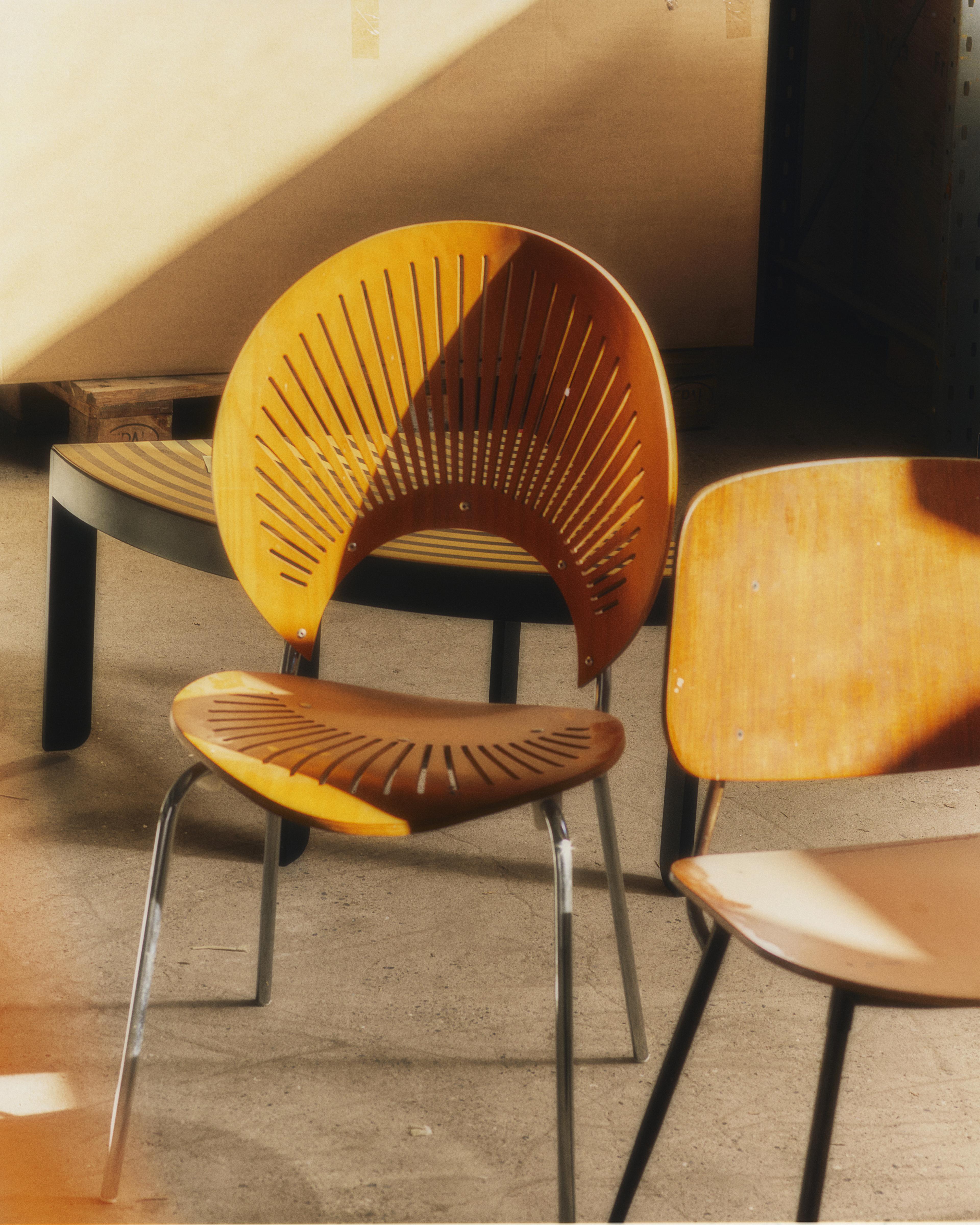
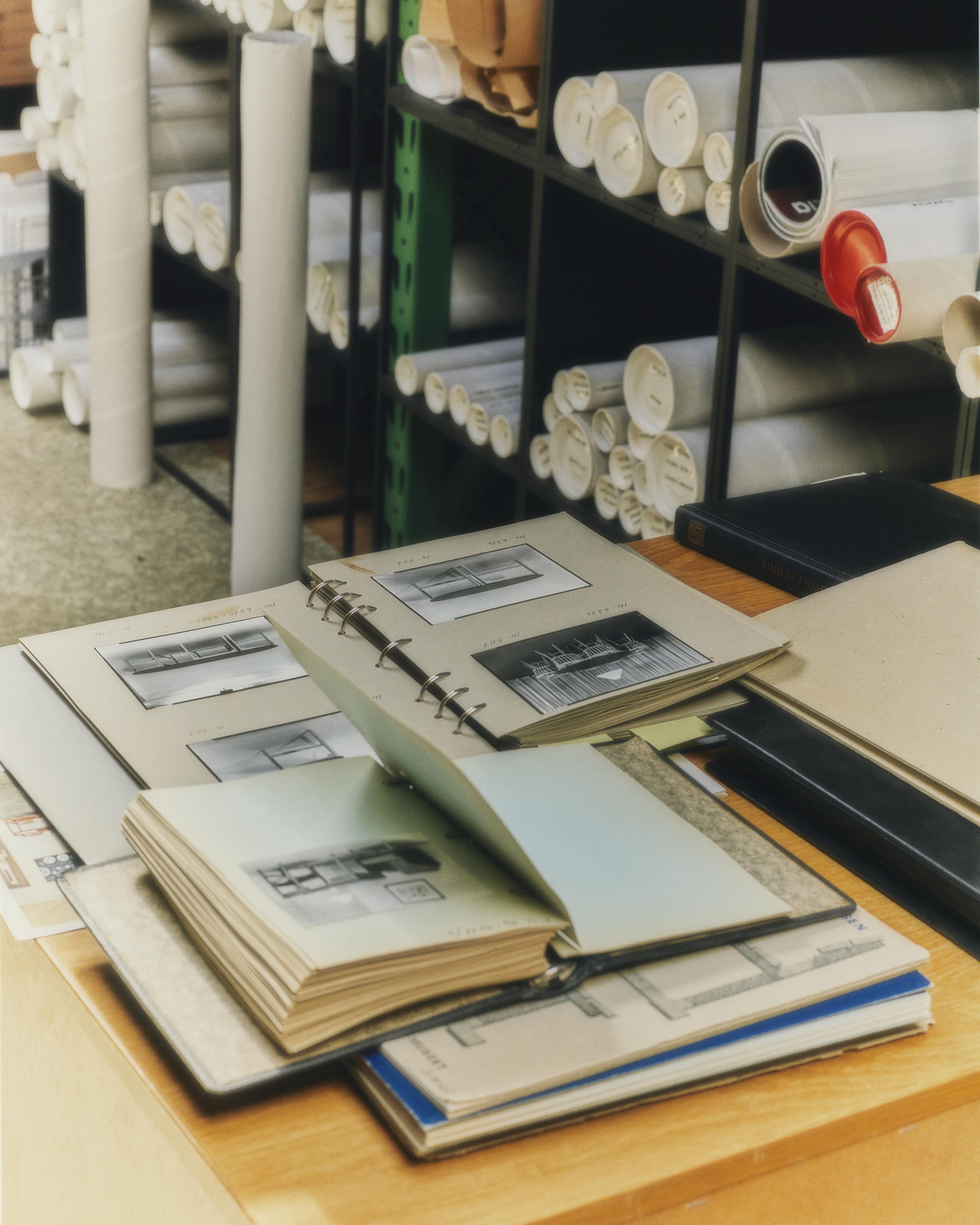
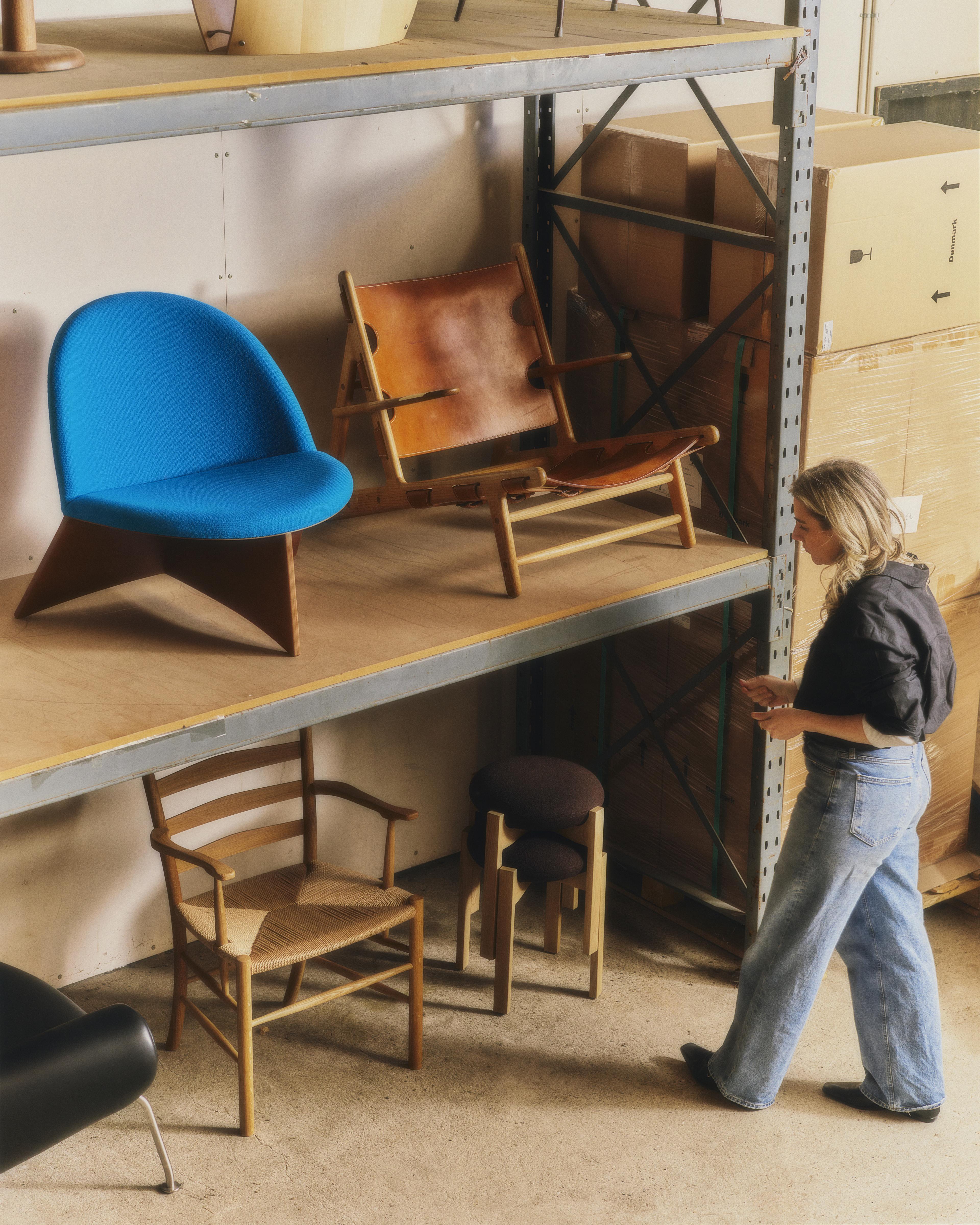
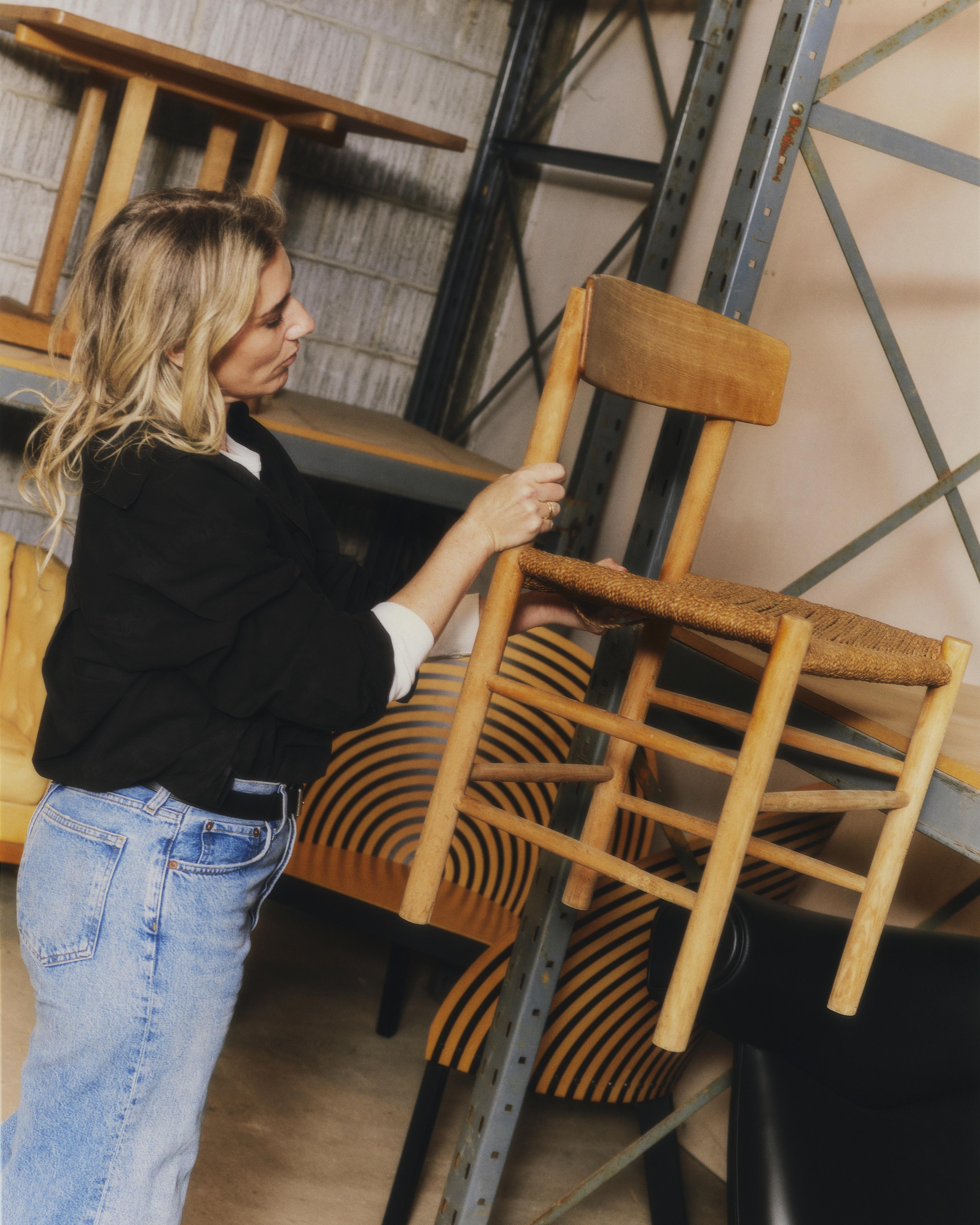
We accompanied Maria Bruun, Head of Design at Fredericia, as dhe explored the archives, where catalogues, images and archival pieces document the history of Fredericia. Afterwards, we spoke about design and longevity, and how she approaches both.

“ Does the world need this object, and do we have the right to produce it? If we cannot articulate a clear reason, be it functional, cultural, or structural, we do not proceed. In a time of material abundance, adding something new carries weight. ”
Maria Bruun, Head of Design
At Fredericia, we say that we design for longevity. In your perspective, what does that mean and how can it be seen and experienced in our products?
Maria Bruun: To design for longevity means accepting responsibility for the entire lifespan of what we put into the world. It means that a product must justify the resources it consumes – not only at the moment of purchase, but across decades of use, repair, movement, and changing contexts. If it cannot do so, it becomes difficult to justify producing it.
We need to adopt a life cycle perspective and consider circular loops: responsible material sourcing, efficient use of resources, responsible production, transportation, use, repair, refurbishment, and eventual disassembly.
As a multi–generational company, we have existed long enough to see which designs endure and which quietly disappear. Longevity, for us, is not nostalgia or attachment to the past. It is structural durability, repairability, material integrity, and aesthetic relevance sustained over time. Sustainability is therefore not an additional layer in development; it is a condition that shapes which idea deserve to move forward, and which do not.



How do you approach new designs?
MB: Every new design begins with a fundamental question: Does the world need this object, and do we have the right to produce it? If we cannot articulate a clear reason, be it functional, cultural, or structural, we do not proceed. In a time of material abundance, adding something new carries weight.
We work from a set of principles, but they are not decorative statements. They guide decisions and introduce necessary limitations. We also recognise tensions. Absolute efficiency can conflict with craftsmanship. Repairability can require visible joints instead of seamless surfaces. Local production can limit scale and increase complexity. We accept these tensions. They are not weaknesses; they are consequences of taking responsibility.
In your opinion, how should we balance aesthetics, functionality, and sustainability in our assortment?
MB: Aesthetics, functionality, and sustainability are often described as if they pull in different directions. In practice, I experience them as deeply connected. A product that functions poorly rarely earns a long life. A product that does not age with dignity will sooner or later be replaced. And a product that disregards material responsibility ultimately undermines its own purpose.
For me, the balance does not lie in compromise, but in integration. It is about designing with the understanding that these dimensions depend on one another. When they are conceived together from the outset, they strengthen each other. When they are separated, something essential is lost.

Discover more
Through a series of narratives, we explore inspiring spaces, delve into architectural history topics, and explore the essence of good design.








1 of 6