


Nanna Ditzel's Trisse Collection: An Object with a Mind of Its Own
Crafted in Denmark at Fredericia’s joinery, Nanna Ditzel’s Trisse from 1962 returns as a family of flexible objects.
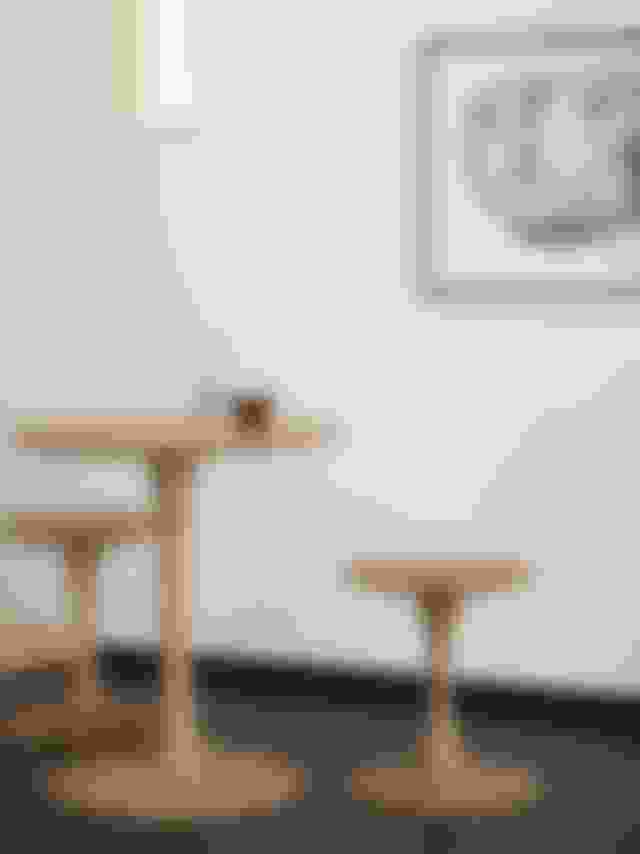
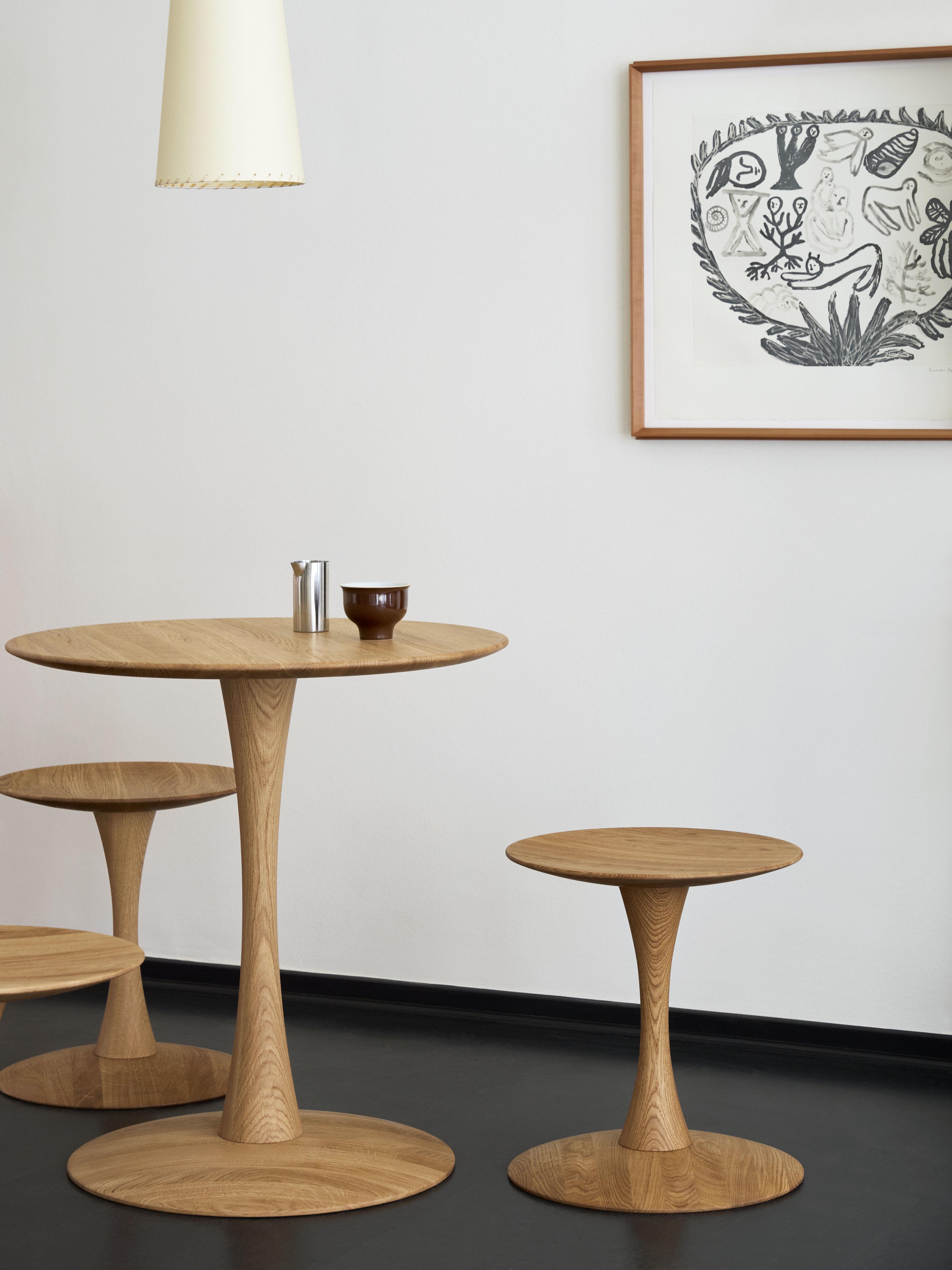


“ Trisse has a rare balance — it is intuitive and playful, yet highly resolved. You understand it immediately, but it continues to reveal new ways of being used. That sense of openness is very much at the core of Ditzel’s work. ”
Maria Bruun, Head of Design at Fredericia
Form and Craft
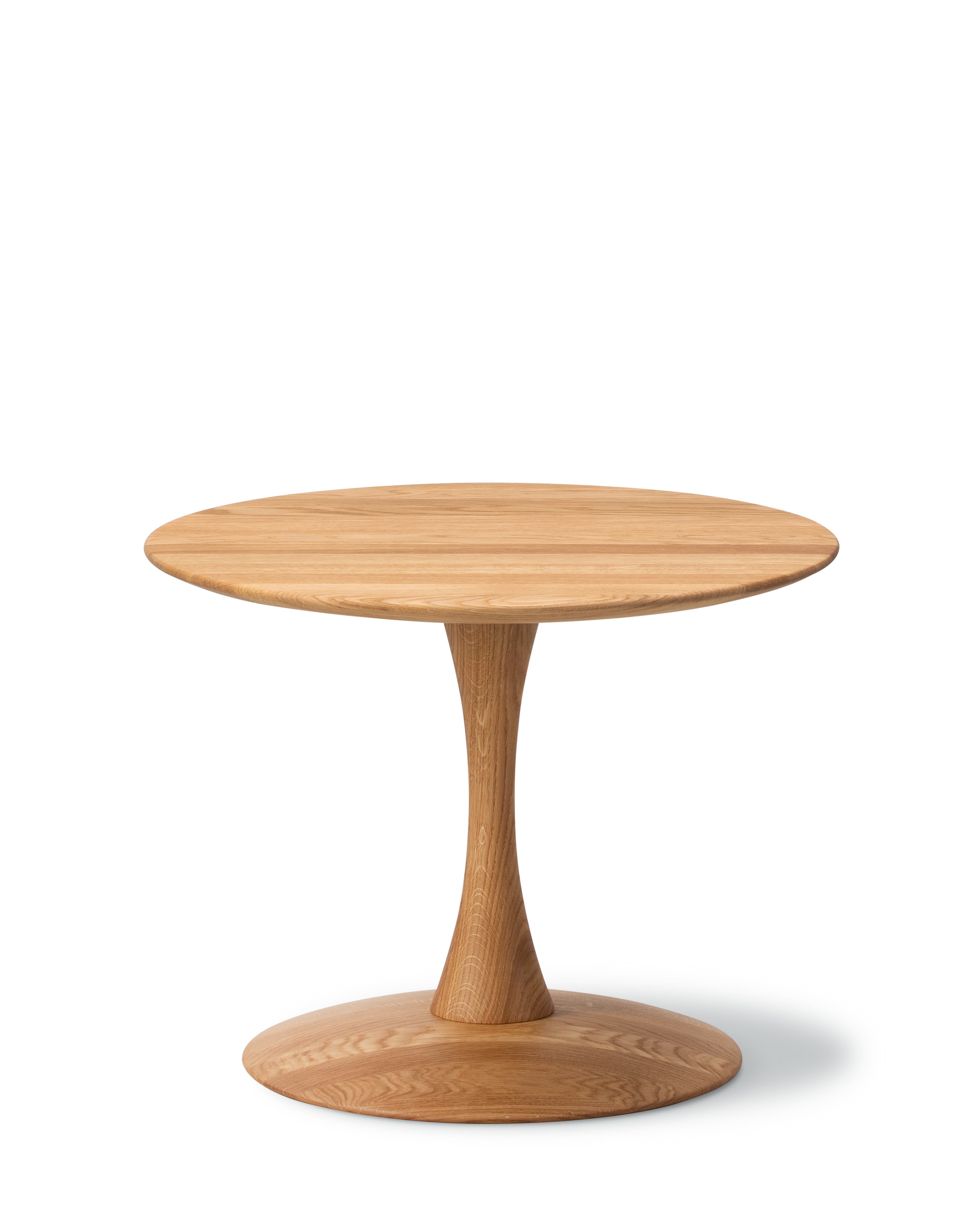
Its form is simple: a turned base and top in solid oak, joined with precise craftsmanship. There are no visible mechanisms. Flexibility is instead built into proportion, balance, and scale — a clarity of construction rooted in Ditzel’s training as a cabinetmaker. It is evident in the way the object can be turned, stacked, rolled, and lifted with ease, while sidestepping expectations of traditional furniture types.
Crafted in Denmark from FSC®-certified solid oak, the friendly design is defined by softened profiles, balanced shape, and a grounded connection to the floor.


A Modern Icon
Originally known as Toad Stool in English, and Trissen in Danish (meaning “spool”), the collection was developed from 1962 to 2004. It has become a modern icon, included in museum collections and institutions alike, and remains a strong example of Ditzel’s approach: organic, functional, and resistant to fixed categorisation.
Her work often carried this kind of duality. Trained within the discipline of Danish modernism and as a trained cabinetmaker, she rarely stayed within its strict lines, preferring instead to introduce a certain looseness — a sense that objects might behave differently than expected, even have their own voice. Trisse is a clear example of that thinking, and a defining one.


Explore Trisse Collection












1 of 10
About Nanna Ditzel
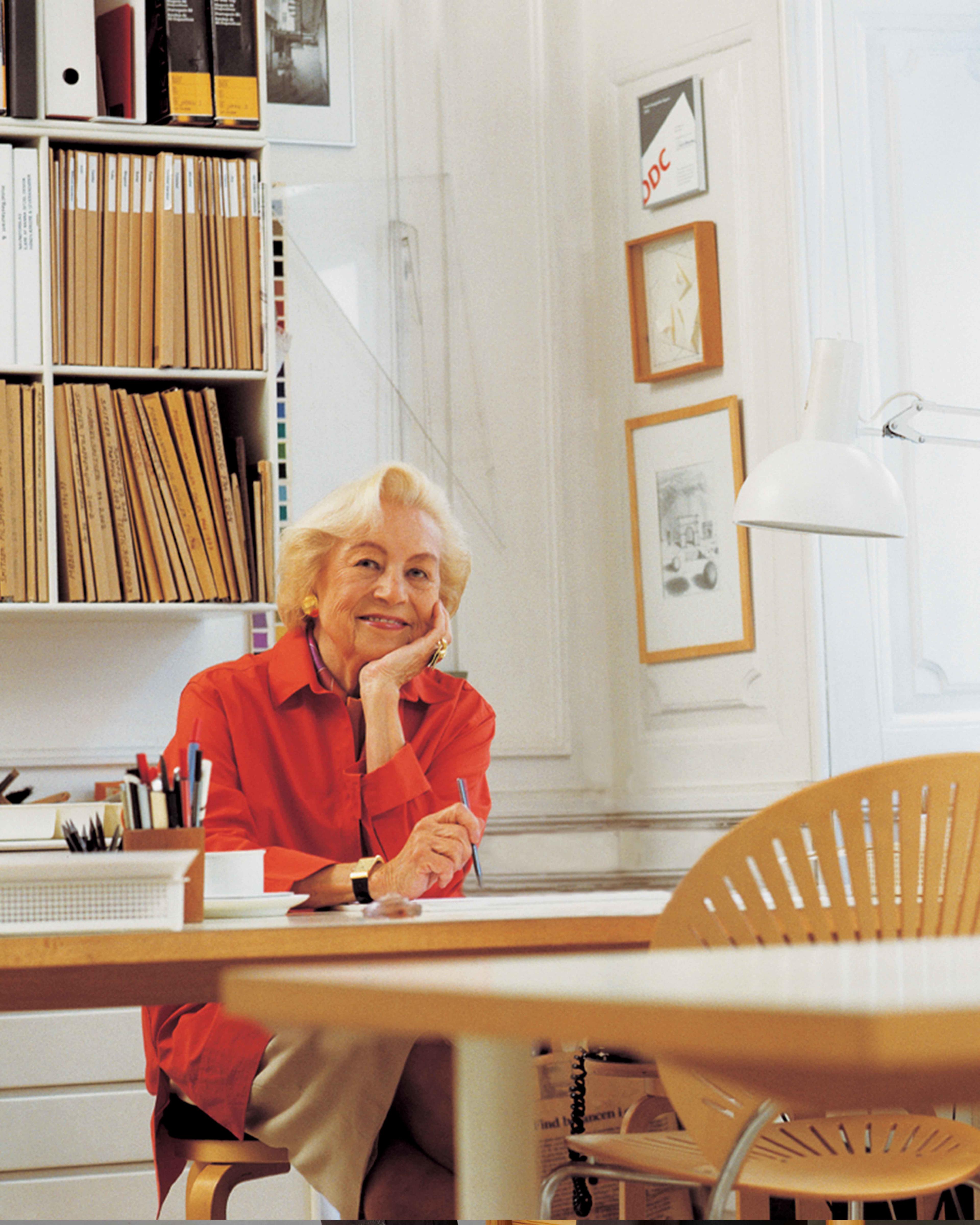
Dubbed the grande dame of Danish design, Nanna Ditzel (1923–2005) was one of the most visionary and versatile figures of 20th-century Scandinavian design. Trained as a cabinetmaker and educated at the Royal Academy of Fine Arts under Kaare Klint, Ditzel initially embraced the principles of functionalism, only to evolve beyond them. She developed a distinct design language rooted in poetry and art, challenging norms with vibrant colour, bold forms, and an unwavering curiosity. Over six prolific decades, Ditzel’s work defied categorisation yet remained deeply human. Her legacy is defined by elegance, innovation, and clarity of vision—an enduring voice in the global design conversation.
In 1989, Ditzel became Fredericia’s second house designer, following the house’s close collaboration with Børge Mogensen. Under the leadership of Thomas Graversen, the next generation of the family-run business embraced Ditzel’s vision. Together, they created groundbreaking designs that bridged the gap between design heritage and the spirit of contemporary culture.

Explore more
Dive into our universe of stories about Nanna Ditzel's life, her designs and the people who knew her.







1 of 5